
19 October 2026 · Buddha Overseas
Buying Indian groundnuts under the APEDA procedure
How India's APEDA peanut export procedure works: registered processing units, authorised laboratories, Peanut.Net certificates of export, and what a buyer should verify.
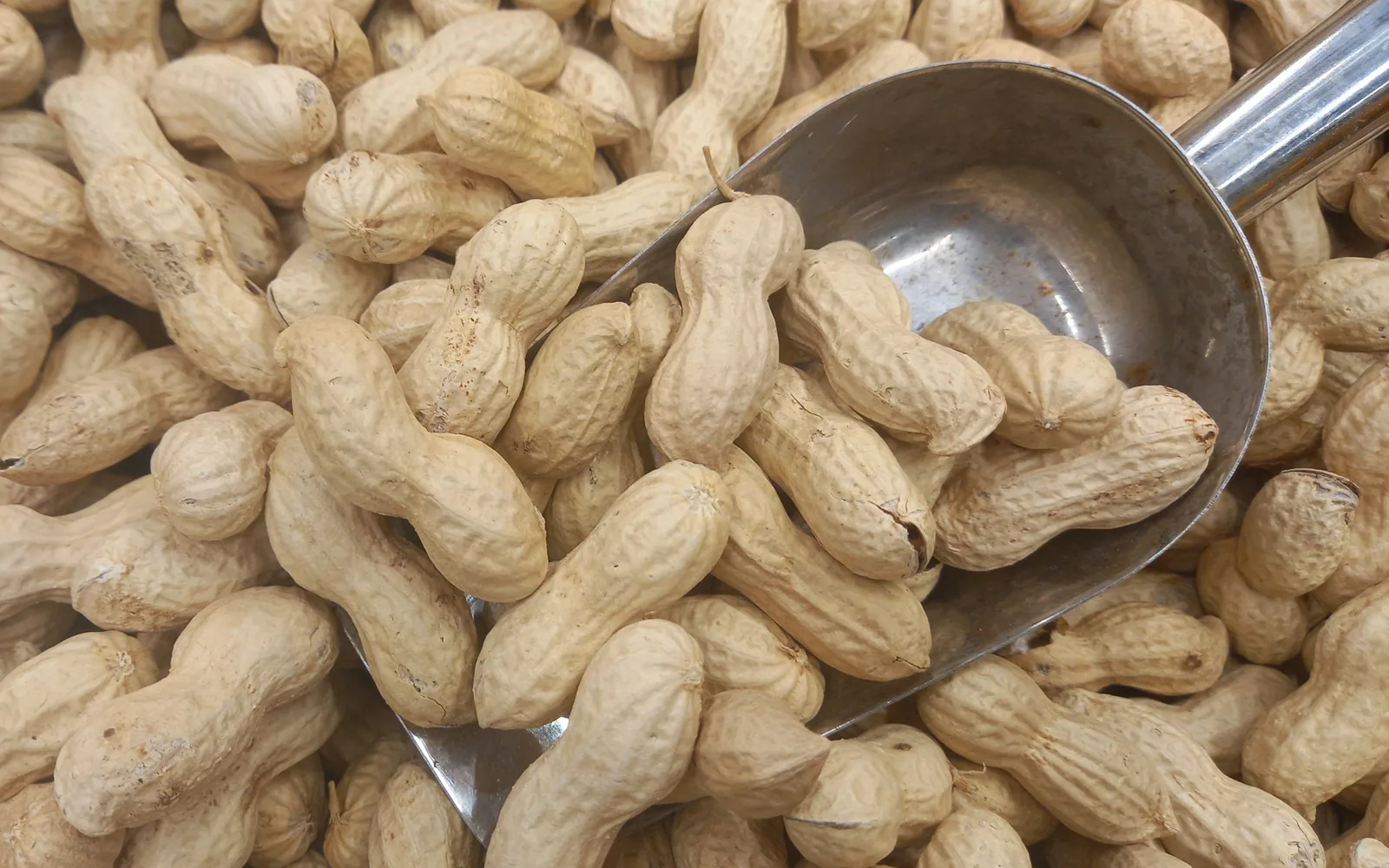
Groundnuts are one of the few Indian agricultural exports where a government body sits inside the transaction. A private lab report on its own will not get the container out of India. The APEDA procedure for exports of peanuts and peanut products decides which plant may process the lot, which laboratory may draw and test the sample, and whether a Certificate of Export is issued at all. The current version was published on 12 August 2026 and replaced the one issued in October 2025. If you are buying Indian groundnuts, this procedure shapes your documentation set whether you ask about it or not.
Where the rule comes from
Aflatoxin rejections in the early 2010s led the Ministry of Commerce and Industry to direct APEDA, by letter No. 11/1/2013-EP (Agri.IV) dated 4 March 2015, to issue orders governing the export of groundnuts. APEDA has reissued the procedure repeatedly since. The archive on APEDA's site lists versions from 5 July 2021, 18 October 2024, 27 January 2025, 23 September 2025 and 17 October 2025, and the current document is dated 12 August 2026.
That rate of change is the first thing a buyer should take away. A contract clause that says "to comply with the APEDA peanut procedure" with no date attached is close to meaningless, because the document it points at has been rewritten four times in two years. Reference the trade notice by date, or reference the outcome you actually want: a specific aflatoxin result, by a named method, on a sample drawn by a named laboratory.
Only a registered unit may process the lot
The procedure runs on registration of facilities, not on the reputation of the seller. Peanuts and peanut products intended for export have to be processed, graded and stored at a unit registered with APEDA, and the aflatoxin analysis has to be done by a laboratory APEDA has authorised for peanut and peanut products. APEDA publishes both lists — the list of active registered PPP units and the list of authorised laboratories — on its Peanut.Net portal.
This matters for how you read a quotation. Buddha Overseas is a merchant exporter in Veraval, Gujarat. We do not own farms or processing plants, so groundnuts we supply are processed and stuffed at a registered unit, and the sampling is done by an authorised laboratory. Ask which unit. Ask for its APEDA registration number, and check it against the active list yourself before the lot is produced, not after the container is sealed. A registration that has lapsed is a stuffing problem, not a paperwork problem.
Peanut.Net is where the consignment legally exists
Peanut.Net is not a marketing portal. It is the system of record, and its modules map the sequence the cargo has to follow: buyer registration; batch processing by the registered unit; consignment creation and the application for a Certificate of Export and a stuffing certificate by the exporter; aflatoxin analysis and issue of the stuffing certificate by the laboratory; issuance of the Certificate of Export by APEDA; and monitoring of the aflatoxin analysis by the national referral laboratory.
Two consequences for you. First, the laboratory issues the stuffing certificate — the sample and the container are meant to be linked, and the exporter or the registered unit files a self-declaration in Peanut.Net that the consignment stuffed is the consignment that was sampled. Second, APEDA provides a Certificate of Export verification tool on Peanut.Net. You can check the COE number on the document you were sent. Do it. It takes a minute and it is the only part of the Indian chain a foreign buyer can audit without trusting anybody.
Peanut.Net also carries destination-specific overlays. There is a separate APEDA advisory, dated 31 October 2025, for exports of peanut and peanut products to Indonesia, and a separate registration regime for Indian food testing laboratories recognised by Indonesia. If your destination is outside the EU, check whether a specific advisory applies before you assume the standard pack of documents is enough.
The EU certificate is a second, separate requirement
Nothing APEDA issues satisfies the EU. The Certificate of Export is an Indian export control document. For entry into the EU, groundnuts from India fall under the EU's increased official controls regime for certain foods of non-animal origin, set out in Commission Implementing Regulation (EU) 2019/1793 and its amendments, which requires an official certificate and the results of sampling and analysis to travel with the consignment, with a common health entry document lodged in TRACES before arrival.
That list and the associated check frequencies are revised regularly, so read the consolidated text on EUR-Lex that is in force on your shipment date rather than a figure quoted in a sales email. The EU certificate is signed by the Indian competent authority, not by the exporter, and it is issued on the strength of the test results — which is why a laboratory result that arrives late delays the certificate and then delays the vessel.
What to ask for before you confirm the order
- The APEDA registration number of the processing unit, and the name of the authorised laboratory.
- The Certificate of Export number, so you can verify it on Peanut.Net.
- The aflatoxin result with the method, the limit of quantification and the sampling plan used — total aflatoxins and B1 reported separately.
- Which destination regime the documents were prepared for. EU, Indonesia and third markets are not interchangeable.
- Confirmation of who signs the destination health certificate and at what stage.
Our testing approach and the certificates that ship with each consignment are set out on the quality page, and the sequence from quotation to documents on the export process page. Groundnuts sit in our nuts and oilseeds range, with a 1,000 kg minimum per product and mixed containers accepted.
A practical note
Groundnut is the product where buyers most often discover the rules after the contract is signed. Build the lab turnaround and the certificate issuance into your lead time from the start, agree in writing which aflatoxin limit the lot must meet for your market, and verify the unit registration and the COE yourself. None of that costs money. Replacing a rejected container does.
Sources
- Peanut.Net modules (buyer registration, batch processing by registered units, consignment creation, application for Certificate of Export and stuffing certificate, aflatoxin analysis and stuffing certificate issued by laboratories, COE issued by APEDA, NRL monitoring, list of active registered PPP units, COE verification); publication of the Procedure for exports of peanuts and peanut products dated 12 August 2026; list of authorised laboratories for peanut; Indonesia advisory dated 31 October 2025 and Indonesian laboratory registration notice dated 12 April 2025. — apeda.gov.in
- Current Procedure for Exports of Peanuts and Peanut Products listed with date 12 August 2026. — apeda.gov.in
- Trade Notice APEDA/PPP/Q/2025 dated 17 October 2025, effective 1 November 2025, superseding the 24 January 2025 notice; Ministry of Commerce and Industry letter No. 11/1/2013-EP (Agri.IV) dated 4 March 2015 directing APEDA to issue orders for groundnut exports; objectives covering aflatoxin maximum levels and importing-country quality parameters, marking of bags/packages/lots/pallets, application to countries following EU food safety norms; self-declaration in Peanut.Net that the consignment stuffed is the consignment sampled; online application through Peanut.Net. — apeda.gov.in
- Earlier versions of the peanut procedure dated 23 September 2025, 27 January 2025, 18 October 2024 and 5 July 2021. — apeda.gov.in
Looking for a supplier?
Every product page carries its specifications, packing, container load and export-policy note. Tell us the item and quantity and you get a quotation with the exact figures for your market.
Get a quoteMore articles
12 October 2026
APEDA rice contract registration and your lead time
7 October 2026
Dehydrated onion and garlic cuts, mesh and bulk density
5 October 2026